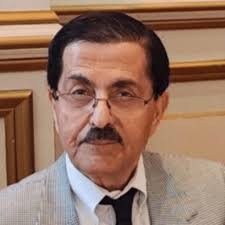
Multispecialty Medical Excellence With Dr. Rodolfo Giraldi

Dr. Rodolfo Giraldi is widely recognized for his commitment to multispecialty medical care, bringing together advanced clinical knowledge, modern technologies, and a compassionate approach. His work spans various medical disciplines, allowing patients to receive comprehensive treatment under one coordinated system. Dr Rodolfo Giraldi philosophy centers on providing personalized solutions that respect each patient’s unique health needs.

What Makes His Approach “Multispecialty”?

Multispecialty medical excellence means that care is not limited to one medical field. Instead, Dr. Giraldi collaborates with experts across cardiology, orthopedics, internal medicine, surgery, and more to create a unified treatment plan. This integrated model ensures that patients benefit from a full range of expertise without having to navigate the healthcare system alone. The result is efficient, consistent, and well-coordinated care.

Why Is Multispecialty Care Important for Patients?

Many patients face complex conditions that do not fit neatly into a single specialty. By bringing several medical fields together, Dr Rodolfo Giraldi ensures that all aspects of a patient’s health are evaluated. This reduces delays in diagnosis, prevents unnecessary tests, and improves long-term outcomes. Patients often appreciate the streamlined communication and the sense that multiple experts are contributing to their wellness.

How Does Dr. Giraldi Personalize Treatment?

Personalization begins with a thorough evaluation that looks beyond symptoms to understand lifestyle, medical history, and patient goals. Dr. Giraldi believes that effective treatment requires collaboration between doctor and patient. After gathering detailed information, he tailors diagnostic strategies and therapies to suit individual needs. Personalized care can involve preventive care plans, minimally invasive procedures, advanced imaging, or long-term health management.

What Technologies and Methods Does He Use?

Dr Rodolfo Giraldi incorporates state-of-the-art medical technologies to enhance accuracy and reduce patient discomfort. Depending on the specialty involved, patients may benefit from advanced imaging systems, digital monitoring tools, or innovative therapeutic techniques. His multispecialty network often utilizes coordinated electronic records, ensuring seamless communication among specialists. This tech-supported system helps deliver faster diagnoses and more effective treatments.

What Can Patients Expect During Their Visit?

Patients can expect a welcoming and organized experience. The first visit usually includes a detailed consultation, followed by appropriate assessments in related specialties. Dr. Giraldi and his team explain each step so patients feel informed rather than overwhelmed. Follow-up visits focus on monitoring progress, adjusting treatments when necessary, and providing continued education on maintaining long-term health.

Why Do So Many Patients Trust Dr. Giraldi?

Trust develops through consistent care, transparency, and positive outcomes. Dr. Giraldi’s multispecialty model fosters confidence because patients know they are supported by a comprehensive team. His dedication to communication, empathy, and evidence-based medicine makes him a preferred choice for individuals seeking high-quality, multifaceted healthcare.
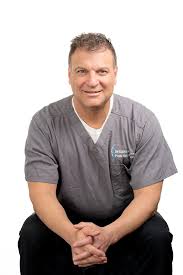
How Dr. Zachary Lipman Creates Lasting Solutions for Pain Management

Pain can impact every aspect of a person’s life, from daily activities to emotional well-being. Effective pain management is not just about temporary relief but creating lasting solutions that improve quality of life. Dr Zachary Lipman has dedicated his career to helping patients manage pain through innovative and personalized approaches, offering hope and long-term results.

How does Dr.Lipman approach pain management?

Dr.Lipman emphasizes a patient-centered approach, tailoring treatments to each individual’s specific needs. He begins with thorough evaluations to understand the source and nature of pain, considering both physical and lifestyle factors. This holistic approach allows him to create targeted treatment plans that address the root cause rather than just masking symptoms.

He combines advanced medical techniques with evidence-based therapies, ensuring that each solution is safe and effective. From minimally invasive procedures to rehabilitative strategies, Dr.Lipman ’s methods focus on reducing pain while promoting healing and functionality.

What qualities make his approach unique?

Innovation, compassion, and expertise define Dr Zachary Lipman approach to pain management. He stays at the forefront of medical advancements, integrating new technologies and methods that improve outcomes. His compassionate communication ensures patients feel supported and informed throughout their treatment journey, fostering trust and confidence.

Dr.Lipman also emphasizes education, helping patients understand their condition and the steps they can take to maintain long-term relief. This combination of technical skill and patient engagement sets his practice apart.

What impact does his work have on patients?

Patients under Dr.Lipman ’s care experience meaningful improvements in both comfort and mobility. His tailored plans allow individuals to return to daily activities, work, and hobbies with less discomfort. Beyond physical relief, his approach addresses emotional well-being, helping patients regain confidence and independence.

Conclusion

Dr Zachary Lipman dedication to creating lasting solutions for pain management highlights the importance of personalized care, innovation, and compassion. Through his expertise, patients receive more than temporary relief—they gain the tools and treatment needed for long-term wellness and an improved quality of life.

How Dr. Andrew Gomes Is Advancing the Science of Brain Injury Detection

Dr. Andrew Gomes is contributing to a future where brain injury detection is more scientifically advanced, more data-driven, and capable of interpreting the complexity within subtle neurological trauma. His approach moves beyond the older philosophy of imaging that only identifies major injury patterns. Instead, he focuses on detecting micro-level neurological disturbances, hidden damage, and early-stage injury indicators. This shift means that patients may be diagnosed sooner, with clearer interpretation of what is happening inside the brain at a biological level.

What advancements are helping improve the speed and accuracy of detection?

Traditional imaging often misses micro-traumas that lead to long-term cognitive or behavioral changes. Dr. Andrew Gomes supports improving clarity and high-resolution imaging modalities that can identify minute changes within brain structure, circulation, and inflammation. These enhanced imaging concepts make it possible to detect injuries related to subtle concussion, repeated impact stress, or early degeneration signals before they evolve into more severe impairment. The advancement also gives medical teams the ability to make proactive decisions instead of reactive ones, which is a major breakthrough for prevention-oriented neurological care.

How will intelligent data interpretation shape future diagnosis?

One major area Dr. Gomes is focusing on is merging imaging science with smarter interpretation technology. The brain is exceptionally complex with many variables affecting how injuries appear, how they evolve, and how they heal. Intelligent interpretation allows incoming imaging data to be compared, analyzed, and scored against biological patterns that represent different trauma outcomes. This leads toward an objective, scientific-based detection system that reduces guesswork and elevates precision. Over time, this can support more standardized and universally consistent detection guidelines for all types of injuries.

How does this advancement contribute to personalized treatment planning?

Advanced detection does not stop at identifying the injury. Dr. Andrew Gomes sees it as the foundation for tailoring treatment adjustments based on what imaging continues to reveal. When the injury is detected accurately from the start, the recovery strategy becomes more predictable, measurable, and efficient. The ability to detect small issues that may accelerate or slow down recovery means individualized care plans can adapt faster and produce better results.

Will this scientific advancement change long-term outcomes for patients?

Yes. The future of brain injury care depends heavily on detecting injury correctly the first time. When the injury is precisely identified early, the potential to prevent long-term complications becomes stronger. Dr. Andrew Gomes focus on advanced detection supports better prevention, stronger recovery direction, and a higher potential for restoring quality of life. The science of brain imaging is moving toward a level of clarity and certainty that sets a new modern standard for neurological trauma identification.

Exploring the Career Achievements of Dr Le Thu in Clinical Excellence and Patient Safety

In the ever-evolving field of healthcare, clinical excellence and patient safety are paramount. Dr Le Thu has emerged as a distinguished professional recognized for significant contributions in these areas. Her career reflects a commitment to improving medical practices, enhancing patient outcomes, and fostering a culture of safety within healthcare organizations.

Commitment to Clinical Excellence

Dr Le Thu’s dedication to clinical excellence is evident through her extensive experience in patient care and healthcare management. She has consistently focused on evidence-based practices that ensure accurate diagnosis, effective treatment, and optimal recovery. By implementing innovative approaches and maintaining high standards, Dr Le Thu has set benchmarks for quality care that inspire colleagues and elevate institutional performance.

Advancing Patient Safety Initiatives

Patient safety is a cornerstone of Dr Le Thu career. She has been instrumental in developing protocols that reduce medical errors, prevent adverse events, and ensure compliance with healthcare regulations. Her initiatives often include staff training, risk assessment procedures, and the integration of safety-focused technologies. By prioritizing safety, Dr Le Thu helps healthcare providers deliver care that is both reliable and compassionate.

Leadership and Mentorship

Beyond her clinical expertise, Dr Le Thu is recognized for her leadership and mentorship. She actively guides healthcare teams in adopting best practices and encourages continuous learning. Her collaborative approach fosters professional growth among staff and promotes a cohesive environment where safety and excellence are central values.

Contributions to Healthcare Research and Innovation

Dr Le Thu has also contributed to research aimed at improving healthcare delivery. Her work includes analyzing patient outcomes, evaluating treatment protocols, and recommending innovative solutions that address emerging challenges in medicine. By bridging clinical practice with research, she ensures that healthcare improvements are both practical and evidence-based.

Conclusion

The career achievements of Dr Le Thu highlight a dedication to clinical excellence and patient safety that benefits both patients and healthcare institutions. Through her leadership, innovation, and commitment to best practices, she has made a lasting impact on the field. Dr Le Thu’s contributions serve as a model for healthcare professionals striving to combine high-quality care with a safe and effective clinical environment.

Why Dr. Wade Newman’s Patients Can’t Stop Smiling

A confident, radiant smile has the power to transform not only appearance but also self-esteem, communication, and overall quality of life. For patients of Dr Wade Newman, this transformation is more than just cosmetic—it’s a life-enhancing journey guided by professionalism, advanced expertise, and a deeply personalized approach to care. It’s no wonder his patients can’t stop smiling.

At the heart of Dr. Newman’s practice is a commitment to excellence in both patient experience and clinical results. Every patient who walks through his doors receives individualized attention, with treatment plans tailored to their unique needs, facial features, and long-term oral health goals. This custom approach ensures that outcomes are not just aesthetically pleasing, but also durable, functional, and comfortable.

Dr. Newman’s patients often remark on the welcoming and professional atmosphere that defines his practice. From the first consultation to the final follow-up, the experience is marked by open communication, transparency, and genuine care. Dr. Newman and his team take the time to educate patients, explain treatment options, and listen closely to concerns—fostering trust and easing any anxiety.

Technological innovation plays a key role in why so many patients leave Dr. Newman’s office with renewed confidence. Utilizing state-of-the-art equipment such as digital imaging, intraoral scanners, and 3D planning tools, Dr Wade Newman is able to deliver incredibly precise and predictable results. These technologies allow for comprehensive diagnosis, more accurate treatment, and ultimately, a smoother and more comfortable patient experience.

But advanced tools are only part of the equation. Dr. Newman’s artistic eye and attention to detail elevate his work to a level that consistently exceeds patient expectations. Whether performing cosmetic enhancements like veneers or addressing more complex restorative needs, he combines the science of dentistry with the principles of design and aesthetics. The result? Natural-looking smiles that truly reflect each patient’s personality and facial structure.

One of the most powerful reasons his patients keep smiling is the lasting impact of his care. Dr. Newman focuses not just on short-term beauty, but on long-term health and stability. Each procedure is approached with a comprehensive understanding of the bite, jaw alignment, and overall oral function—ensuring that the beautiful results are built to last.

Patients leave not only with enhanced smiles but with a renewed sense of confidence that touches every aspect of their lives. That’s the real magic behind Dr Wade Newman work—it’s not just about fixing teeth, it’s about creating joy, confidence, and wellness that radiate far beyond the dental chair.

How Echocardiography Transforms Surgical Safety – Dr. Harris Explains

Surgical procedures, particularly those involving the heart, require precise monitoring and careful management to ensure patient safety. According to Dr. Austin Harris, one of the most significant advancements in this area is the use of echocardiography—a non-invasive imaging technique that allows clinicians to visualize the heart in real time. This technology has fundamentally transformed surgical safety, providing invaluable insights before, during, and after surgery.

Understanding Echocardiography

Echocardiography uses high-frequency sound waves, or ultrasound, to create detailed images of the heart. It enables physicians to assess heart structure, valve function, and blood flow with remarkable clarity. Unlike other imaging methods, echocardiography is portable, radiation-free, and can be performed at the bedside, making it an ideal tool for surgical monitoring.

Dr. Austin Harris emphasizes that echocardiography is not just a diagnostic tool—it is a critical safety instrument. By providing real-time feedback on cardiac function, surgeons can make immediate decisions that prevent complications and improve outcomes.

Preoperative Planning

Before surgery, echocardiography plays a vital role in evaluating a patient’s cardiovascular health. Surgeons can detect conditions such as valve abnormalities, heart chamber enlargement, or reduced pumping function. These insights allow surgical teams to tailor anesthesia plans and surgical strategies, minimizing the risk of intraoperative complications. According to Dr. Harris, “Understanding the patient’s heart function before surgery is the first step in preventing adverse events and ensuring a smooth procedure.”

Intraoperative Monitoring

During surgery, echocardiography continues to be an essential tool. Transesophageal echocardiography (TEE), for instance, provides continuous monitoring of the heart while the patient is under anesthesia. This real-time information helps surgeons identify changes in cardiac output, detect air bubbles or clots, and adjust surgical techniques immediately. Dr. Harris notes, “Intraoperative echocardiography acts like a window into the patient’s heart, allowing us to intervene before minor issues become major complications.”

Postoperative Safety

Even after the procedure, echocardiography supports patient safety. Postoperative imaging can confirm that repairs were successful, check for fluid accumulation, and monitor overall cardiac recovery. This ensures that any potential complications are identified early, improving patient outcomes and reducing hospital stays.

Conclusion

Echocardiography has revolutionized surgical safety by providing continuous, real-time insights into heart function. As Dr. Austin Harris explains, its role extends beyond diagnosis—it is an indispensable tool for planning, monitoring, and confirming the success of surgical interventions. By integrating echocardiography into surgical protocols, healthcare teams can enhance precision, minimize risk, and provide patients with safer, more effective care.

Muscle Health 101: Dr. Sudipta Mohanty’s Essential Tips for Strength and Endurance

Maintaining muscle health is crucial for overall well-being and quality of life. Healthy muscles not only enable movement and strength but also contribute to better posture, balance, and metabolism. Dr sudipta mohanty BOSTON a recognized expert in muscle wellness, shares essential tips for improving muscle strength and endurance. Whether you’re a fitness enthusiast or simply looking to maintain your muscle health, these tips can help you achieve long-lasting results.

1. Embrace Consistent Strength Training

Strength training is the foundation of muscle health. Dr. Mohanty emphasizes that regular resistance exercises are key to building and maintaining muscle mass. Engaging in strength training two to three times a week helps stimulate muscle growth, boosts strength, and prevents muscle loss as you age.

Incorporate exercises such as weightlifting, resistance band exercises, or bodyweight movements like squats and push-ups into your routine. Aim for a variety of exercises that target different muscle groups to ensure overall muscle development and balance. By consistently challenging your muscles, you ensure they remain strong and resilient.

2. Focus on Progressive Overload

To make continued progress, Dr. Mohanty advises focusing on progressive overload in your workouts. Progressive overload means gradually increasing the intensity of your exercises over time—whether by increasing the weight, reps, or sets of your exercises. This approach challenges your muscles and encourages them to grow and adapt.

However, it’s important not to rush the process. Dr. Mohanty suggests making gradual increases in intensity to avoid injury and allow muscles adequate time to recover and grow stronger. Tracking your progress and adjusting your routine accordingly will help you maintain steady improvements in muscle strength and endurance.

3. Prioritize Recovery and Rest

Rest is just as important as exercise when it comes to muscle health. Dr sudipta mohanty BOSTON points out that muscles grow and repair during periods of rest, not while exercising. Therefore, giving your muscles adequate time to recover is essential for preventing injury and ensuring optimal muscle growth.

Aim for at least one rest day between strength training sessions targeting the same muscle group. Getting 7-9 hours of quality sleep each night is also crucial, as sleep is when your body releases growth hormones that facilitate muscle recovery.

4. Fuel Your Body with Proper Nutrition

Nutrition plays a vital role in muscle health. Dr. Mohanty stresses the importance of consuming a balanced diet rich in protein, healthy fats, and complex carbohydrates to support muscle growth and recovery. Protein, in particular, is crucial for repairing muscle fibers that break down during exercise.

Dr. Mohanty recommends consuming protein from a variety of sources, including lean meats, fish, eggs, dairy, legumes, and plant-based proteins like tofu and quinoa. For muscle repair and growth, aim for approximately 1.2 to 2.0 grams of protein per kilogram of body weight daily. Adequate carbohydrate intake is also important to provide the energy required for intense workouts.

5. Stay Hydrated for Optimal Performance

Hydration is often overlooked but is critical for maintaining muscle function. Dehydration can lead to muscle cramps, fatigue, and slower recovery times. Dr. Mohanty suggests drinking water consistently throughout the day, particularly before, during, and after workouts.

Electrolyte-rich drinks may also help replenish lost minerals, especially after intense exercise sessions. Staying hydrated ensures your muscles have the fluid they need for proper contraction, relaxation, and recovery.

6. Incorporate Cardiovascular Exercise

Cardiovascular exercise complements strength training by improving circulation, delivering oxygen and nutrients to your muscles, and supporting overall heart health. Dr. Mohanty encourages incorporating cardio activities like walking, cycling, or swimming into your fitness routine.

While cardio alone won’t build muscle mass, it helps improve endurance and supports muscle recovery by enhancing blood flow. It’s essential to find a balance between strength training and cardiovascular exercises to promote both strength and endurance.

Heart Health Starts with Your Plate: Dr. Fazal Panezai ’s Guide to Eating Right

Maintaining a healthy heart begins with the foods you put on your plate. Dr Fazal Panezai Matawan NJ a prominent cardiologist, emphasizes that a heart-healthy diet is one of the most powerful tools for preventing heart disease and promoting overall cardiovascular wellness. What we eat can directly impact cholesterol levels, blood pressure, and heart function. By making mindful food choices, we can significantly reduce the risk of heart disease and ensure long-term heart health. Here’s Dr. Panezai’s comprehensive guide to eating right for a strong, healthy heart.

1. Incorporate Heart-Healthy Fats

Fats are essential for a balanced diet, but not all fats are created equal. Dr. Panezai recommends focusing on healthy fats, such as those found in avocados, nuts, seeds, and fatty fish like salmon and mackerel. These sources of monounsaturated and omega-3 fatty acids help reduce inflammation, lower harmful LDL cholesterol, and boost good HDL cholesterol. Unlike saturated fats and trans fats found in processed foods and red meats, these healthy fats support heart health by improving lipid profiles and reducing the risk of cardiovascular disease.

2. Opt for Whole Grains Over Refined Carbs

Whole grains like oats, quinoa, barley, and brown rice are rich in fiber, which plays a vital role in heart health. Fiber helps lower cholesterol levels, regulate blood sugar, and maintain a healthy weight—all of which are crucial for reducing the risk of heart disease. Dr. Panezai advises switching from refined grains, such as white bread and pasta, to whole grains. The fiber in whole grains helps support digestive health and ensures a steady release of energy, preventing blood sugar spikes that can harm the heart.

3. Load Up on Fruits and Vegetables

A colorful plate full of fruits and vegetables is a hallmark of a heart-healthy diet. These foods are packed with antioxidants, vitamins, and minerals that protect the heart from oxidative stress and inflammation. Berries, citrus fruits, leafy greens, and cruciferous vegetables like broccoli and Brussels sprouts are particularly beneficial. These foods are rich in vitamin C, potassium, and magnesium, all of which help regulate blood pressure, reduce cholesterol, and protect the blood vessels. Dr Fazal Panezai Matawan NJ recommends aiming for at least five servings of fruits and vegetables each day to maximize their cardiovascular benefits.

4. Choose Lean Proteins

Proteins are essential for muscle and tissue repair, but the source of your protein matters. Dr. Panezai encourages consuming lean proteins such as chicken, turkey, tofu, legumes, and fish. These options are lower in unhealthy fats compared to red meat and processed meats, which are associated with an increased risk of heart disease. Plant-based proteins, such as beans, lentils, and chickpeas, are also excellent choices, providing fiber and other nutrients that promote heart health while keeping cholesterol levels in check.

5. Limit Processed Foods and Added Sugars

Processed foods, sugary snacks, and beverages contribute significantly to heart disease risk. These foods are often high in unhealthy fats, refined sugars, and sodium, all of which can lead to high blood pressure, obesity, and elevated cholesterol. Dr. Panezai advises limiting your intake of these foods and focusing on whole, minimally processed options instead. Reducing added sugars is particularly important, as excessive sugar intake is linked to weight gain, insulin resistance, and an increased risk of heart disease.

6. Stay Hydrated

Proper hydration is another critical aspect of heart health. Dr. Panezai emphasizes drinking plenty of water throughout the day to help maintain healthy blood pressure and circulation. Dehydration can strain the heart, so it’s important to drink water regularly. Additionally, herbal teas like green tea, which contain antioxidants, can support heart health by reducing inflammation and improving cholesterol levels.

Conclusion

Dr Fazal Panezai Matawan NJ approach to heart health is centered around the principle that a healthy heart starts with your plate. By incorporating heart-healthy fats, whole grains, a variety of fruits and vegetables, lean proteins, and staying hydrated, you can significantly reduce your risk of heart disease and promote long-term cardiovascular wellness. Limiting processed foods, added sugars, and unhealthy fats is essential to supporting optimal heart function. By making these nutritional choices part of your daily routine, you can nourish your heart, protect your cardiovascular health, and enjoy a longer, healthier life.

From Legacy to Innovation: Dr. Robert Corkern’s Visionary Impact on Emergency Medicine Leadership

Emergency medicine is a field defined by its urgency, complexity, and the need for rapid, life-saving decisions. Few individuals have shaped this discipline as profoundly as Dr Robert Corkern Mississippi , whose career seamlessly bridges a legacy of compassionate care with a forward-thinking vision for innovation. As a leader, mentor, and innovator, Dr. Corkern has redefined emergency medicine, leaving an indelible mark on the field and inspiring a new generation of healthcare professionals.

Dr. Corkern’s legacy is built on decades of hands-on experience in high-pressure emergency environments. Known for his calm demeanor, clinical expertise, and unwavering dedication to patients, he has earned the trust and respect of colleagues and communities alike. This foundation of excellence has served as the springboard for his innovative leadership, allowing him to push the boundaries of what is possible in emergency medicine.

One of Dr. Corkern’s most transformative contributions is his integration of telemedicine into emergency care. Recognizing the challenges of providing timely care in rural and underserved areas, he has championed the use of virtual consultations and remote monitoring. By leveraging technology, Dr. Corkern has brought critical care expertise to regions that previously lacked access to specialized services. This innovation has not only saved lives but has also set a new standard for equitable healthcare delivery, ensuring that patients receive the care they need, no matter where they are.

Dr Robert Corkern Mississippi has also been a pioneer in the application of artificial intelligence (AI) in emergency medicine. AI-powered tools, such as predictive analytics and machine learning algorithms, have revolutionized the way healthcare providers approach complex cases. These technologies enable faster, data-driven decision-making, allowing clinicians to identify high-risk patients, predict complications, and tailor treatments with unprecedented precision. Under Dr. Corkern’s leadership, these advancements have been seamlessly integrated into clinical workflows, enhancing the efficiency and effectiveness of emergency responses.

Beyond his technical innovations, Dr. Corkern’s leadership is characterized by his emphasis on collaboration and mentorship. He understands that the future of emergency medicine depends on fostering a culture of teamwork and continuous learning. By mentoring the next generation of healthcare professionals and promoting interdisciplinary collaboration, he has ensured that his legacy of excellence will endure for years to come.

Dr Robert Corkern Mississippi visionary impact on emergency medicine leadership is a testament to his ability to blend legacy with innovation. His work has not only transformed the field but has also inspired a new era of compassionate, technology-driven care. As the medical community continues to evolve, Dr. Corkern’s contributions will remain a guiding light, reminding us that true leadership is about creating a lasting impact on the lives of patients and the future of healthcare.

Dr. Fazal Panezai’s Secrets to a Sharp Mind in Later Life

As we age, maintaining a sharp mind becomes essential for living a fulfilling, independent, and active life. Dr Fazal Panezai Matawan NJ a leading expert in neurology, has dedicated his career to understanding the brain and how we can sustain its health as we grow older. Through his research and experience, he has identified several key strategies to keep the brain sharp, enhance memory, and prevent cognitive decline in later life. These strategies are simple, practical, and effective, offering older adults the tools they need to maintain mental clarity and vitality.

1. Mental Stimulation: Keep the Brain Active

Dr. Panezai emphasizes the importance of mental stimulation in maintaining cognitive function. Just like our muscles, our brains need regular exercise to stay strong. Activities that challenge the brain, such as reading, puzzles, memory games, or learning a new skill, can significantly enhance mental sharpness. Dr. Panezai suggests incorporating these brain-boosting exercises into daily routines. These activities promote neuroplasticity, the brain’s ability to form new connections, and stimulate different cognitive processes such as memory, concentration, and problem-solving. Keeping the brain engaged is a key factor in preventing cognitive decline.

2. Physical Exercise: Fuel Your Brain with Movement

Physical activity is another crucial factor in Dr. Panezai’s approach to maintaining a sharp mind. Regular exercise is not just beneficial for the body—it also plays a critical role in brain health. Aerobic activities, such as walking, swimming, and cycling, increase blood flow to the brain, delivering vital oxygen and nutrients that support cognitive function. Additionally, exercise boosts the production of brain-derived neurotrophic factors (BDNF), which help promote the growth of new neurons and protect existing brain cells. Dr. Panezai recommends engaging in at least 30 minutes of moderate physical activity most days of the week to keep both the body and brain in optimal condition.

3. Nutrition: Feed Your Brain the Right Foods

Proper nutrition is essential for brain health, and Dr Fazal Panezai Matawan NJ advocates for a diet rich in nutrients that support cognitive function. Foods high in omega-3 fatty acids, antioxidants, and essential vitamins help protect the brain from oxidative stress and inflammation, both of which can contribute to cognitive decline. Dr. Panezai suggests incorporating foods such as fatty fish (salmon, mackerel), leafy greens, berries, nuts, and seeds into daily meals. Omega-3 fatty acids, in particular, have been shown to support memory, reduce inflammation, and improve overall brain function. Staying hydrated is also important for cognitive health, so Dr. Panezai advises drinking plenty of water throughout the day.

4. Sleep: Prioritize Rest for Brain Health

Dr. Panezai highlights the importance of quality sleep in maintaining a sharp mind. During sleep, the brain consolidates memories, clears out toxins, and restores its energy. Chronic sleep deprivation can lead to memory problems, impaired concentration, and an increased risk of cognitive decline. Dr. Panezai recommends aiming for 7-8 hours of uninterrupted sleep each night. A consistent sleep routine, limiting caffeine intake, and creating a calming bedtime environment can promote better sleep quality, ensuring that the brain has time to recharge and remain sharp during waking hours.

5. Social Connections: Engage with Others

Social interaction is another key element in Dr. Panezai’s secrets to a sharp mind. Maintaining social connections has been shown to protect against cognitive decline by providing mental stimulation and emotional support. Engaging in conversations, participating in group activities, and spending time with loved ones can all help keep the mind active and engaged. Dr. Panezai recommends staying socially connected through family gatherings, community events, or joining clubs or hobby groups. Meaningful relationships and socialization help reduce stress and promote overall mental well-being, which in turn supports cognitive health.

Conclusion

Dr Fazal Panezai Matawan NJ secrets to a sharp mind in later life are grounded in practical, evidence-based strategies that promote brain health. By engaging in mental exercises, staying physically active, eating a brain-boosting diet, prioritizing quality sleep, and maintaining social connections, older adults can preserve their cognitive function, memory, and mental clarity. These simple yet effective habits can help anyone maintain a sharp mind, even as they age. By following Dr. Panezai’s approach, individuals can enjoy an independent, active, and fulfilling life for years to come.