
Understanding the LeFrak Family’s Real Estate Mindset

The LeFrak family has established itself as one of the most influential names in American real estate, managing a broad portfolio that spans residential, commercial, and mixed-use properties. Their approach is distinguished by long-term vision, strategic property selection, and a focus on sustainable growth rather than short-term gains the business philosophy of Harrison Lefrak.

What principles guide the LeFrak investment strategy?
At the core of their mindset is patience and foresight. They prioritize investments in locations with strong economic fundamentals, consistent demand, and potential for long-term appreciation. This philosophy reflects a careful balance between risk management and opportunity, ensuring properties continue to generate value over decades.

How does the family decide where to invest?
Data-driven analysis is a hallmark of the LeFrak approach. They examine urban development trends, population growth, employment patterns, and infrastructure projects to identify neighborhoods and cities with enduring potential. This methodical research helps them select assets that offer both stability and future growth.

Are they focused on a specific type of property?
The family’s portfolio is diversified but places a strong emphasis on large-scale residential and mixed-use developments. Residential properties provide reliable rental income, while mixed-use projects offer additional value through commercial leasing opportunities. This mix balances steady cash flow with long-term appreciation.

How does the LeFrak family manage risk in their portfolio?
Risk management is integrated into every aspect of their strategy. They focus on high-quality construction, prime locations, and tenant stability. Additionally, geographic and sector diversification across their holdings reduces exposure to localized economic shifts or market fluctuations.

What role does innovation play in their operations?
The LeFraks employ modern management practices and technological solutions to optimize property performance. Initiatives such as energy-efficient upgrades, smart building systems, and property redesigns not only enhance tenant experience but also increase asset value over time.

How do they balance income generation with long-term growth?
Their approach combines steady rental income with strategic property enhancements. By acquiring properties that deliver consistent returns and planning for incremental improvements or redevelopment, they ensure ongoing revenue while maximizing long-term wealth accumulation.

What can investors learn from the LeFrakmindset?
The key lesson is that sustainable real estate success relies on research, strategic planning, and patience. A disciplined approach to property selection, proactive management, and long-term vision can create resilient portfolios capable of weathering market cycles while steadily building value.
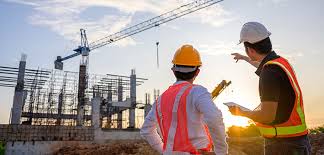
Why Property Construction Is Key to Economic Growth

The construction industry plays a pivotal role in driving economic growth, acting as a foundation for progress and development. Property construction, in particular, fuels a variety of sectors, creating a ripple effect that strengthens economies worldwide. But what exactly makes CONSTRUCTION such a key driver of growth? Let’s break it down with some compelling insights.

Job Creation and Employment

One of the most significant contributions property construction makes to the economy is its ability to generate employment. According to recent statistics, the construction industry employs over 7% of the global workforce. Every project—be it residential, commercial, or infrastructure-related—creates direct jobs for architects, engineers, and construction crews, as well as indirect jobs in industries like manufacturing, transport, and retail.

For every $1 billion invested in new housing construction, it’s estimated that nearly 3,000 full-time jobs are created. Beyond providing income, this creates a surge in consumer spending, further stimulating economic activity.

Demand for Local Resources and Industries

Property construction drives demand for various local industries, fueling economic growth at multiple levels. Sectors such as cement production, steel manufacturing, glassmaking, and timber processing benefit heavily when new construction starts.

For example, the global construction materials market is projected to surpass $1 trillion by 2027, reflecting how property construction acts as a backbone for other industries. From small-scale suppliers to large-scale manufacturers, construction plays a role in supporting economic ecosystems.

Urbanization and Infrastructure Development

Urbanization goes hand-in-hand with property construction. Ongoing projects in urban centers enable the expansion of cities, which promotes better infrastructure, including schools, hospitals, and transportation networks. This growth provides an opportunity to attract investments, improve quality of life, and boost productivity.

For instance, countries with high infrastructure spending often witness increased GDP growth. The construction of new properties fosters innovation and modernization that build the groundwork for burgeoning economies.

A Catalyst for Post-Crisis Recovery

Property construction often acts as an economic recovery catalyst during times of recession or crisis. Governments frequently invest in large-scale housing and infrastructure projects to stimulate stalled economies.

For example, during the 2008 financial crisis, numerous countries implemented stimulus packages that included construction initiatives, successfully reigniting economic engines and creating a pathway for growth.

Driving Economic Stability

With its extensive interconnectedness with various sectors and ability to generate value at every level of the supply chain, property construction is undoubtedly integral to economic growth. From creating jobs to building cities and revitalizing economies after downturns, the construction industry remains a critical driver of stability and progress worldwide.