
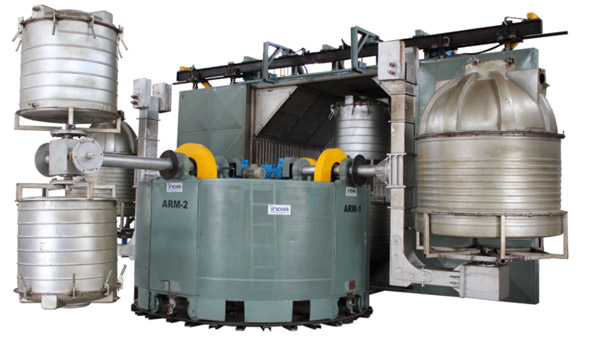
Rotational molding, also known as rotomolding, has emerged as a versatile manufacturing process, especially for high-strength plastic components. Over recent years, the demand for durable, lightweight, and cost-effective plastic solutions has fueled growth in this sector. Here’s a closer look at current trends, capabilities, and industry insights.
What makes rotational molding ideal for high-strength plastics?
Rotational Molding allows the production of hollow and complex shapes with uniform wall thickness. Unlike other molding techniques, it reduces stress points and ensures enhanced structural integrity. Materials such as polyethylene (PE) and polypropylene (PP) are commonly used due to their high tensile strength and resistance to impact, chemicals, and UV exposure. According to industry reports, over 65% of manufacturers prefer rotational molding for parts requiring exceptional durability.
Which industries are leading the adoption of high-strength rotomolded plastics?
Industries such as automotive, water treatment, chemical storage, and agriculture are driving demand. In automotive applications, rotomolded components reduce vehicle weight while maintaining strength, contributing to fuel efficiency. Similarly, agricultural tanks and storage containers benefit from the long lifespan and chemical resistance of rotomolded plastics. Current statistics indicate a 12% annual growth in rotationally molded components used in industrial applications.
How is customization shaping rotational molding services?
Customization has become a cornerstone of modern rotational molding. Advanced technologies now allow precision in wall thickness, color, texture, and inserts. For high-strength applications, engineers can design parts with reinforced ribs or double-wall constructions, enhancing durability without increasing weight. Recent surveys show that 72% of clients now request custom features tailored to specific operational environments.
What innovations are driving efficiency and quality?
Automation and digital monitoring have revolutionized the rotomolding process. Sensors now track temperature and rotational speed in real time, ensuring consistent material distribution. These innovations have led to a 15–20% reduction in production defects and significantly improved energy efficiency. Additionally, multi-layer and co-molding techniques allow manufacturers to combine strength with chemical or UV resistance in a single part.
What are the sustainability trends in high-strength rotational molding?
Sustainability is a growing concern in the plastics industry. Rotational molding produces minimal waste compared to injection or blow molding. Moreover, recyclable high-density polyethylene (HDPE) and bio-based polymers are increasingly incorporated into manufacturing. Industry reports suggest that sustainable material usage in rotomolding has increased by 18% over the past five years.
Why choose professional rotational molding services for high-strength plastics?
Partnering with experienced rotomolding providers ensures precise engineering, quality control, and adherence to industry standards. With growing demand for resilient and lightweight plastic components, these services play a crucial role in reducing downtime, extending product lifespan, and optimizing manufacturing costs.
Conclusion
Rotational molding for high-strength plastics is experiencing robust growth, driven by advancements in technology, customization, and sustainability. Manufacturers seeking durable, versatile, and lightweight components are increasingly relying on these services. As the industry continues to innovate, the adoption of rotomolded plastics across industrial, automotive, and environmental sectors is set to rise further.