
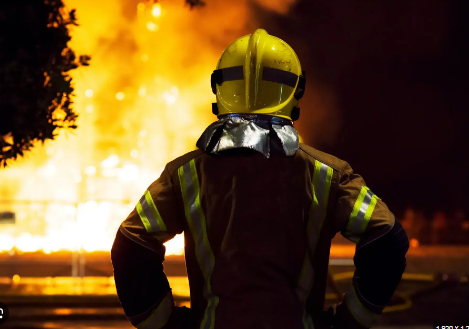
Fire watch guards are trained professionals responsible for monitoring areas with high fire risk. Their main function is to detect potential hazards, respond quickly, and prevent incidents before they escalate. Industry data indicates that workplaces employing Fire Watch Guards personnel experience up to 60% fewer fire-related incidents compared to sites without dedicated monitoring.
2. How do fire watch guards contribute to reducing fire hazards?
Fire watch guards actively inspect work environments, monitor hot work operations, and identify ignition sources such as electrical faults, flammable materials, or overheating machinery. According to workplace safety studies, early identification of fire hazards can reduce property damage costs by 50% or more, showing that preventive action is significantly more effective than reactive responses.
3. Are there measurable statistics showing their effectiveness?
Yes. Surveys of industrial and commercial facilities reveal that sites with fire watch programs report approximately 40-60% fewer fire emergencies annually. Furthermore, incidents that do occur tend to be smaller in scale, with an average reduction of 70% in property damage compared to fires at unmonitored sites. These numbers highlight the tangible financial and operational benefits of fire watch guards.
4. How quickly can fire watch guards respond to potential fire threats?
Rapid response is a key advantage of having trained guards on site. Data shows that fires contained within the first five minutes of detection cause significantly less damage—up to 70% less—than fires left unaddressed. Guards can deploy fire extinguishers, alert personnel, or call emergency teams immediately, demonstrating their critical role in minimizing loss.
5. Do fire watch guards improve overall workplace safety beyond fires?
Absolutely. Their presence encourages adherence to safety protocols, proper handling of equipment, and prompt reporting of hazards. Facilities with dedicated fire watch personnel report approximately 40% fewer overall workplace safety incidents. Guards often identify secondary risks, such as blocked exits or unsafe storage of flammable materials, contributing to a safer working environment.
6. Which industries benefit the most from fire watch services?
High-risk industries such as manufacturing, construction, chemical processing, and large-scale commercial operations gain the most. Statistics indicate that industrial sites with continuous fire monitoring experience nearly 60% fewer fire-related emergencies than similar sites without fire watch coverage. This makes fire watch guards essential in any setting with elevated risk factors.
7. How do fire watch guards support cost management?
Fires can result in substantial financial losses, including equipment damage, operational downtime, and emergency response costs. Real-world data shows that businesses employing trained fire watch guards save tens of thousands of dollars per incident on average. The cost of preventive monitoring is often significantly lower than the potential financial impact of uncontrolled fire incidents.
8. Are there long-term benefits to implementing fire watch programs?
Yes. Beyond immediate fire prevention, fire watch guards help build a culture of safety. Over time, businesses report reduced insurance claims, fewer lost workdays, and improved operational continuity. Data also suggests that facilities with proactive fire watch protocols maintain stronger overall safety records, reinforcing the value of preventive strategies.
Conclusion:
Fire watch guards have a measurable impact on workplace safety and operational efficiency. Through vigilant monitoring, early intervention, and ongoing hazard identification, they reduce fire incidents, minimize property damage, and protect personnel. Safety statistics clearly demonstrate that employing trained fire watch personnel is both a practical and financially sound strategy for high-risk workplaces.